From Cutting to Installation: A Small Part That Holds Everything in Place
When working with grooved piping systems, most attention usually goes to the equipment—pipe cutters, roll groovers, or the groove quality itself.
But anyone who has spent time on site knows there’s something much simpler that quietly does its job all the time: how the pipe is supported.
Pipe clamps or hangers may not look like much, but they are part of every installation, and they can’t go wrong.
Within the Gruvmaster system, these components are not just accessories—they’re part of the whole workflow.
Pipes Don’t Just Sit There
It’s easy to think that once a pipe is installed, it’s done.
In reality, the pipe needs to stay in position, under load, for years.
· Holding the pipe in place, so it doesn’t sag
· Keeping alignment, so nothing shifts over time
· Distributing weight, instead of letting one section take all the load
None of this is complicated, but if it’s not done properly, problems tend to show up later.
Why It Matters More in Grooved Systems
Grooved connections are reliable—that’s one of their strengths.
But they rely on one condition: the load on the pipe needs to stay balanced
If support isn’t done properly, you’ll start to see typical issues:
· Uneven stress on couplings
· Changes in sealing condition over time
· Slight movement after long-term use
These aren’t always immediate failures, but they’re avoidable.
So while hangers don’t take part in cutting or grooving, they directly affect how the system performs in the long run.
Why This Simple Design Still Works
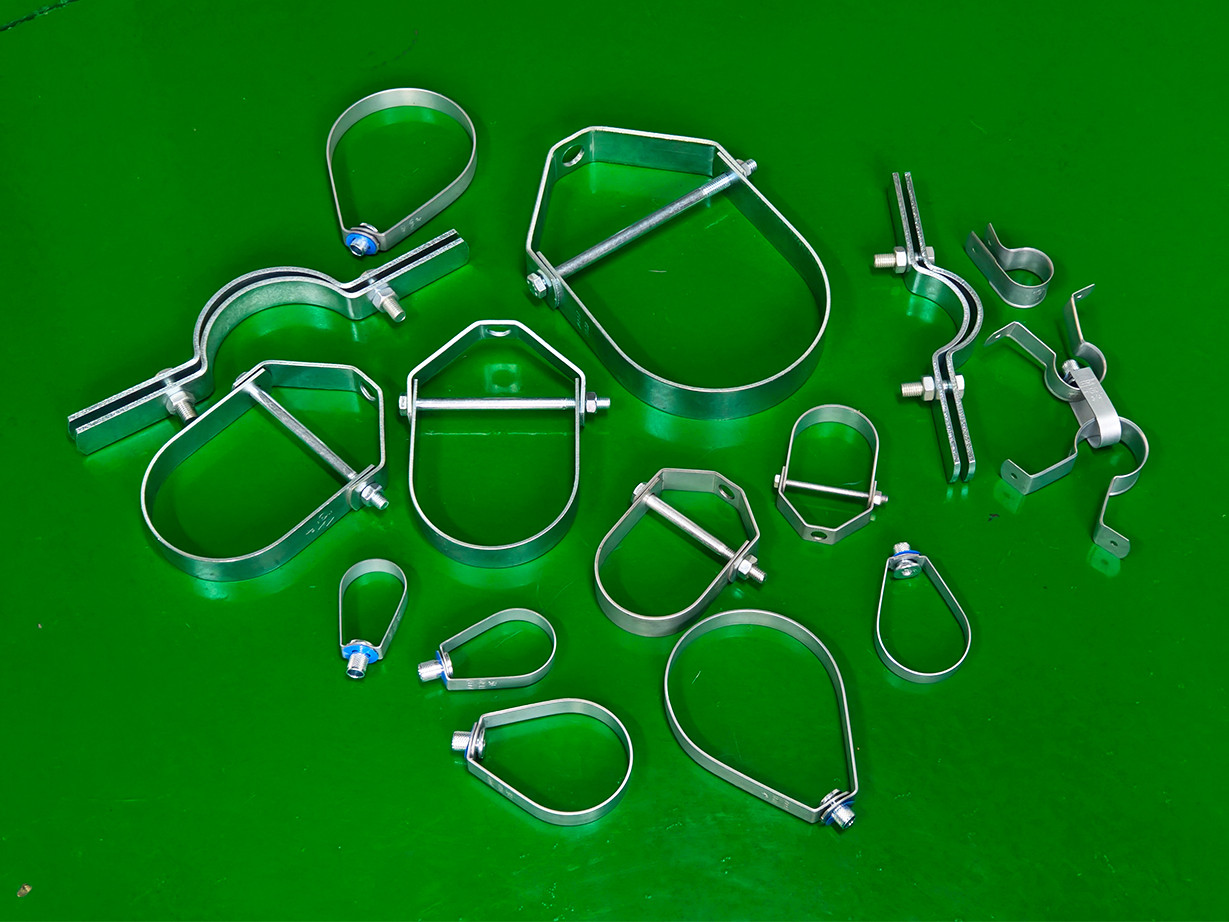
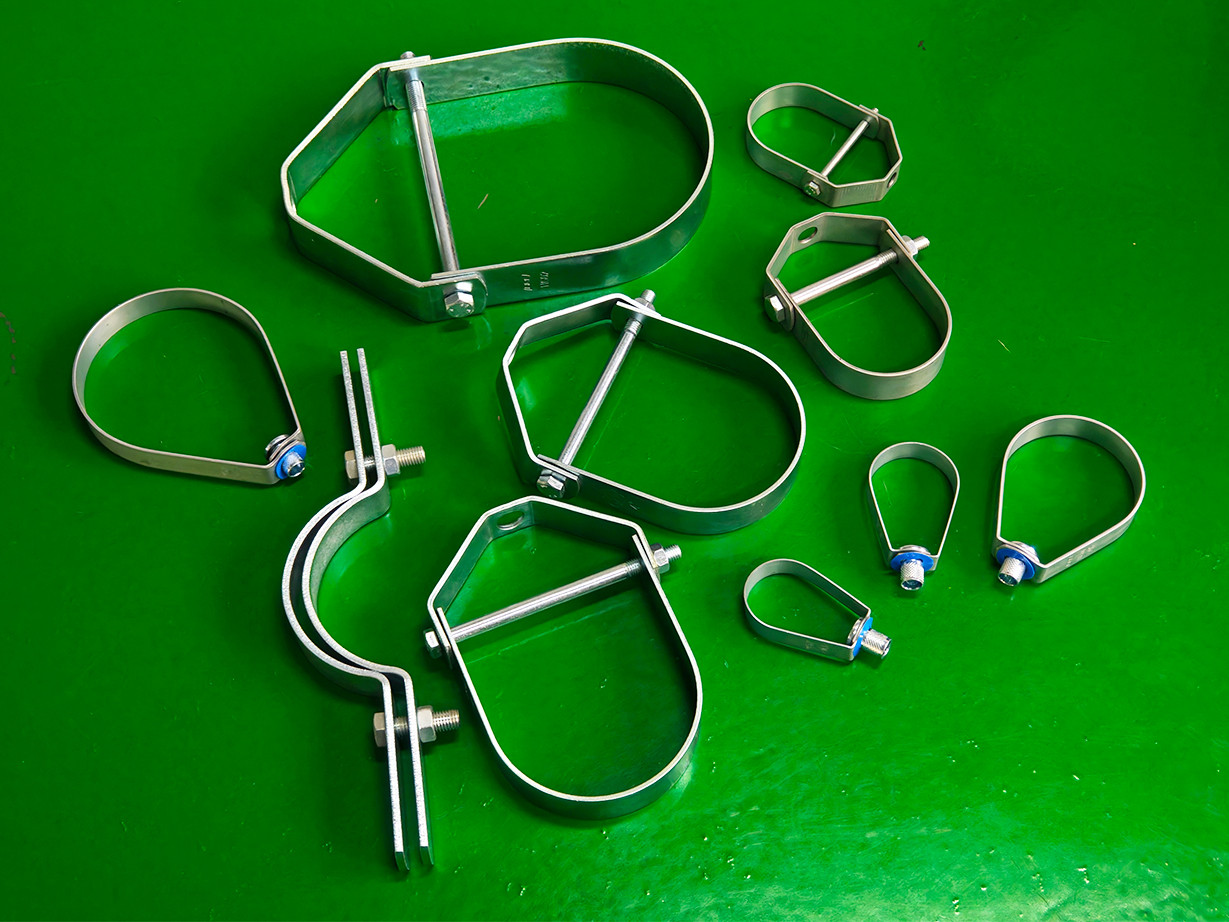
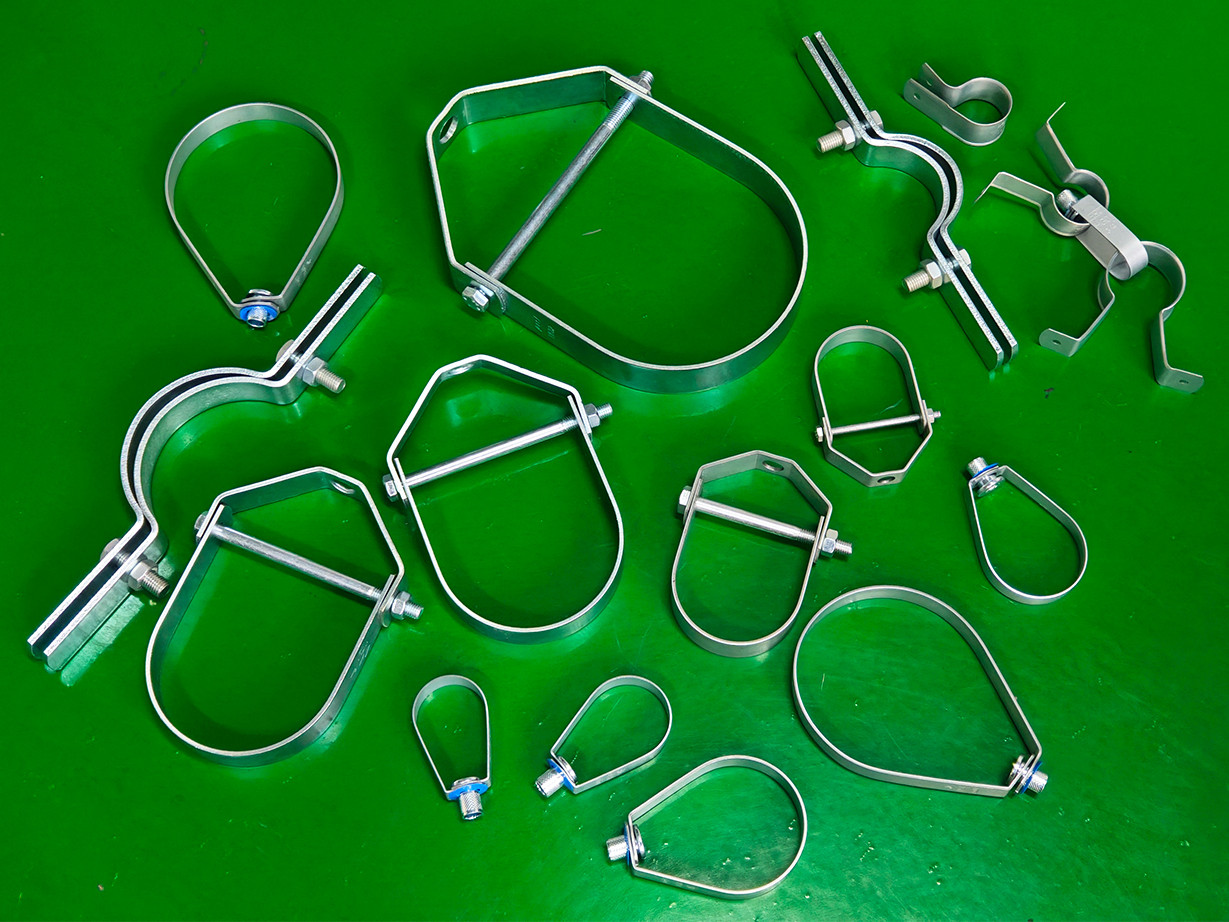
The type of clamp shown here is probably one of the most common designs on site.
There’s a reason it hasn’t changed much:
· Straightforward structure, easy to install
· Adjustable for different pipe sizes
· Height can be set quickly using threaded rods
· Works in a wide range of job-site conditions
It’s not about being advanced— it’s about being reliable and practical.
Looking at the Full Workflow
If you step back and look at the whole process, it’s quite clear:
1.Pipe cutting
2.Roll grooving
3.Assembly
4.Support and fixing
The first steps make sure the pipe can be installed. The last step makes sure it stays that way. Both matter equally.
What Usually Gets Noticed Later
Some issues don’t show up right away. They appear after the system has been running for a while:
· Pipes starting to sag slightly
· Extra stress on connections
· The system no longer feeling as stable as it should
In many cases, the root cause isn’t the machine or the groove—it’s how the pipe was supported.
Final Thought
A pipe hanger is not something people usually talk about. But without it, everything else becomes harder to rely on.
It’s one of those basic components— quiet, simple, but essential.
If you are working with grooved piping systems—whether for fire protection or industrial use— it’s worth paying attention not just to the equipment, but also to how the system is supported.
Gruvmaster focuses on the full process, from cutting and grooving to installation support, based on real job-site needs.