Integrated vs Split Hydraulic Systems: What Really Affects Maintenance and Oil Life?
TitleIn real-world use, one issue comes up quite often with pipe cutting equipment:
hydraulic oil doesn’t stay clean for long.
After a few months, it can become dirty and thicker, which affects how smoothly the system runs. In many cases, the oil has to be replaced much sooner than expected.
This is not always about how the machine is used — it often comes down to how the hydraulic system is designed.
Where Integrated Systems Start to Show Limits
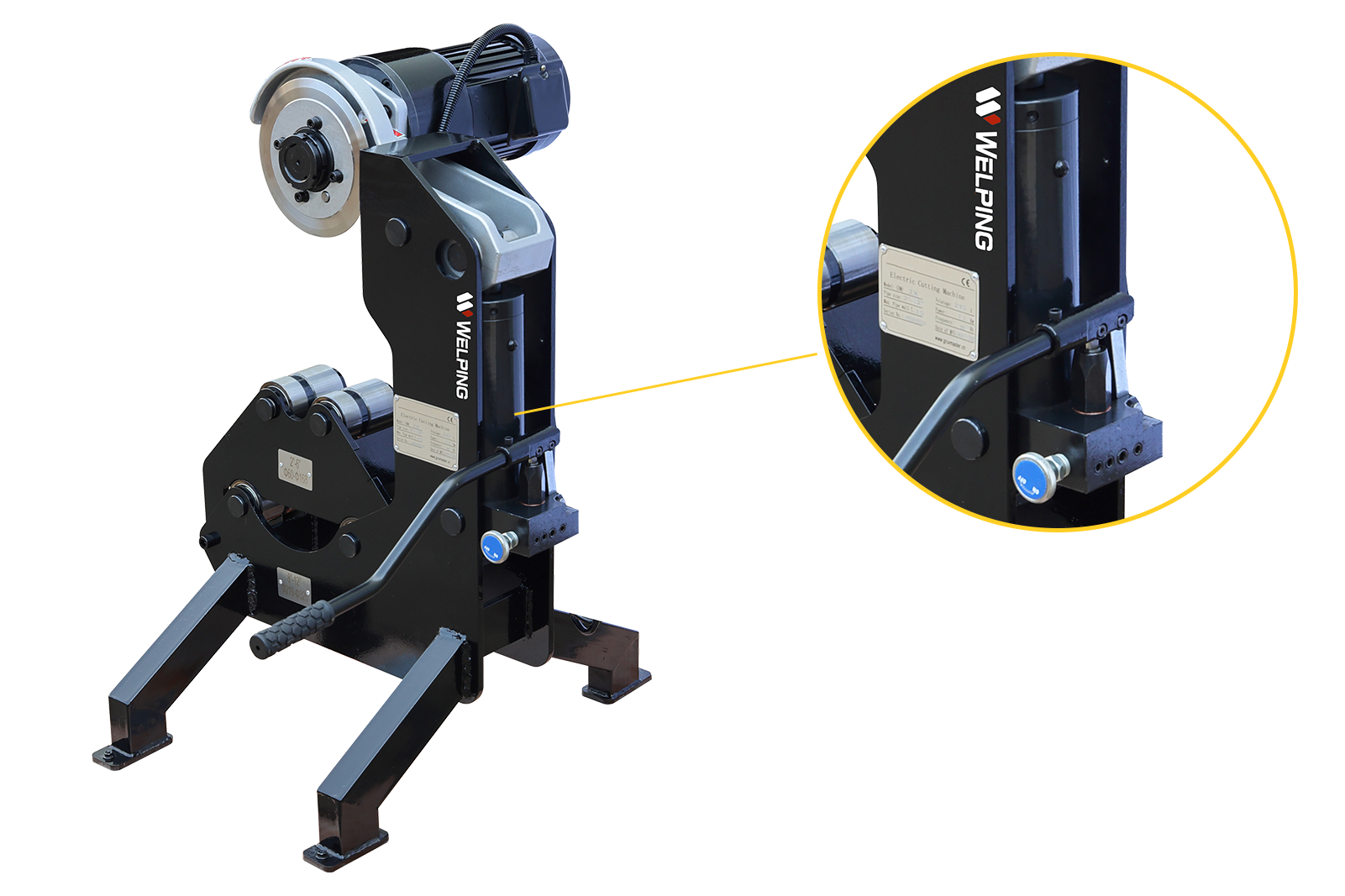
In traditional designs, the cylinder and the pump are built as one unit.
To keep internal pressure balanced, these systems usually rely on a vent.
That’s where the problem begins.
Over time, the vent allows air to move in and out of the system. Along with that air comes dust and fine particles from the environment.
Gradually, these contaminants mix with the hydraulic oil.
What you typically see after some time:
· The oil becomes less clean
· Viscosity starts to change
· The system response is no longer as smooth
At that point, replacing the oil becomes necessary to keep the machine working properly.
On many job sites, this cycle can be as short as a few months.
A Different Approach: Split Hydraulic Systems
The idea behind a split hydraulic system is quite straightforward:
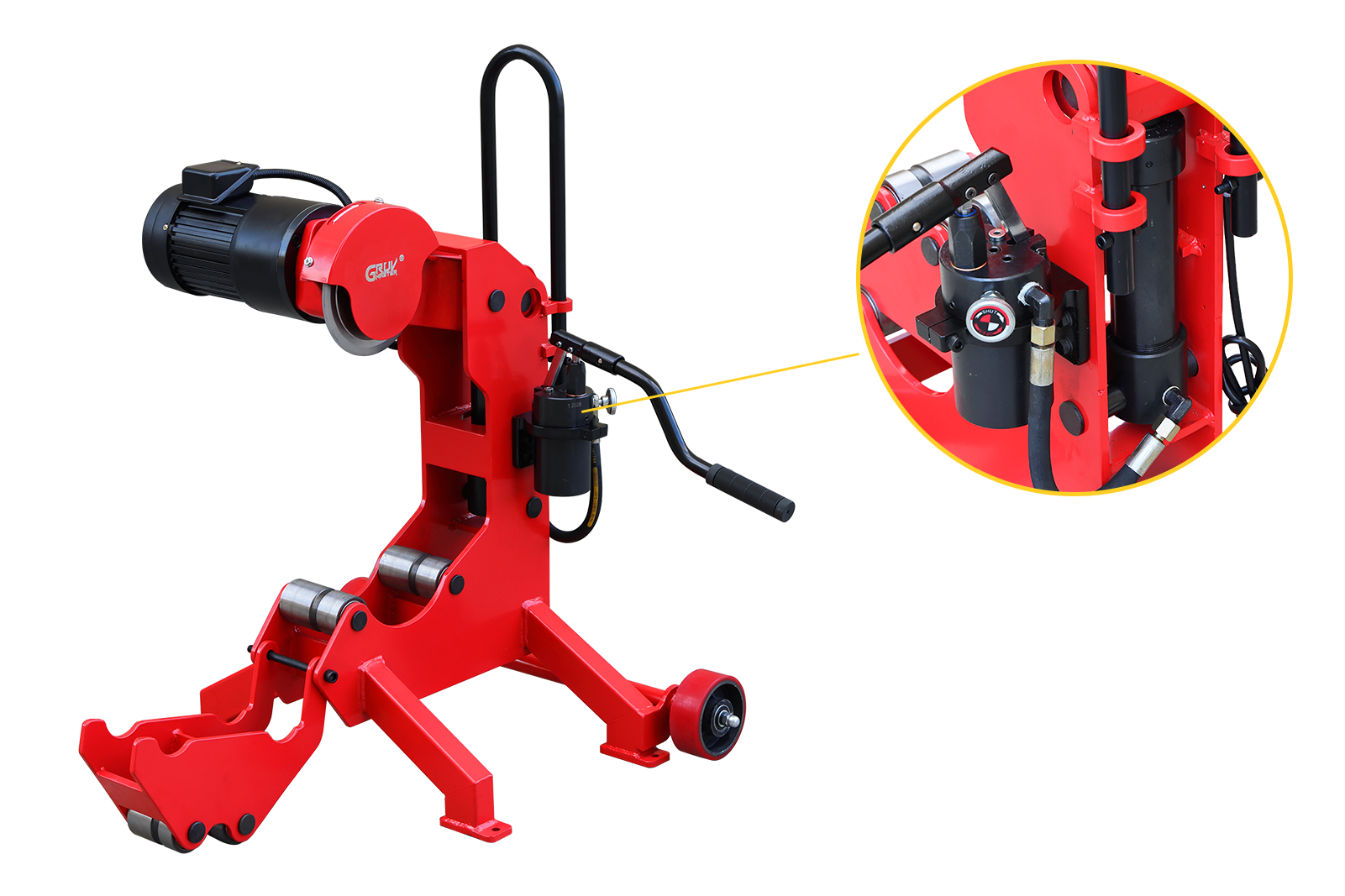
separate the cylinder and the pump, and keep the pump fully sealed.
This brings two key changes:
· No reliance on a vented structure
· External air and dust are largely kept out of the system
As a result, the hydraulic oil stays in a more stable condition over time.
What Changes in Practice
The difference between the two designs may not be obvious at the beginning, but it becomes clear with continued use.
Oil replacement interval
Integrated systems: often every few months
Split systems: can extend to around 1–2 years
Maintenance frequency
Integrated systems require more frequent checks
Split systems are generally lower maintenance
Operating stability
Cleaner oil leads to smoother and more consistent operation
Contaminated oil tends to reduce system responsiveness
In the end, it comes down to one thing:
how well the hydraulic oil can stay clean over time.
The Design Behind the CM Series
Based on these real-world considerations, the CM series pipe cutting machines adopt a split hydraulic system design.
This includes different models such as CM-12 and CM-20, where the core structure remains the same, and the main difference lies in pipe capacity.
The goal of this design approach is simple:
· Extend oil service life
· Reduce maintenance frequency
· Keep the machine running more consistently over time
In continuous or demanding working conditions, the difference becomes more noticeable.
Final Thoughts
At first glance, the hydraulic system may seem like just a structural detail.
But over time, it has a direct impact on maintenance and overall performance.
Moving from an integrated design to a split system is less about adding features,
and more about avoiding problems before they show up.
Learn More
If you’d like to explore different size options and configurations, you can check the product page here:
CM Series Pipe Cutting Machines → [Product Link]