
How Interlocking Roll Sets Improve Groove Accuracy
In grooved pipe connection systems, groove quality has a direct impact on coupling installation and sealing performance. When choosing a roll grooving machine, many users focus on pipe size range, motor power, hydraulic pressure, or machine weight. However, the roller structure is just as important.
Roll grooving is not simply pressing a groove into the pipe end. Groove depth, groove width, sealing surface length, pipe roundness, and forming stability all affect the final connection quality. These details are closely related to how the groove roller and drive roller work together.
On many Gruvmaster roll grooving machines, the interlocking structure between the groove roller and drive roller is an important design feature. Its purpose is not to make the machine look more complex, but to make the grooving process more stable and easier to control.
Roll Grooving Depends on Two Rollers Working Together
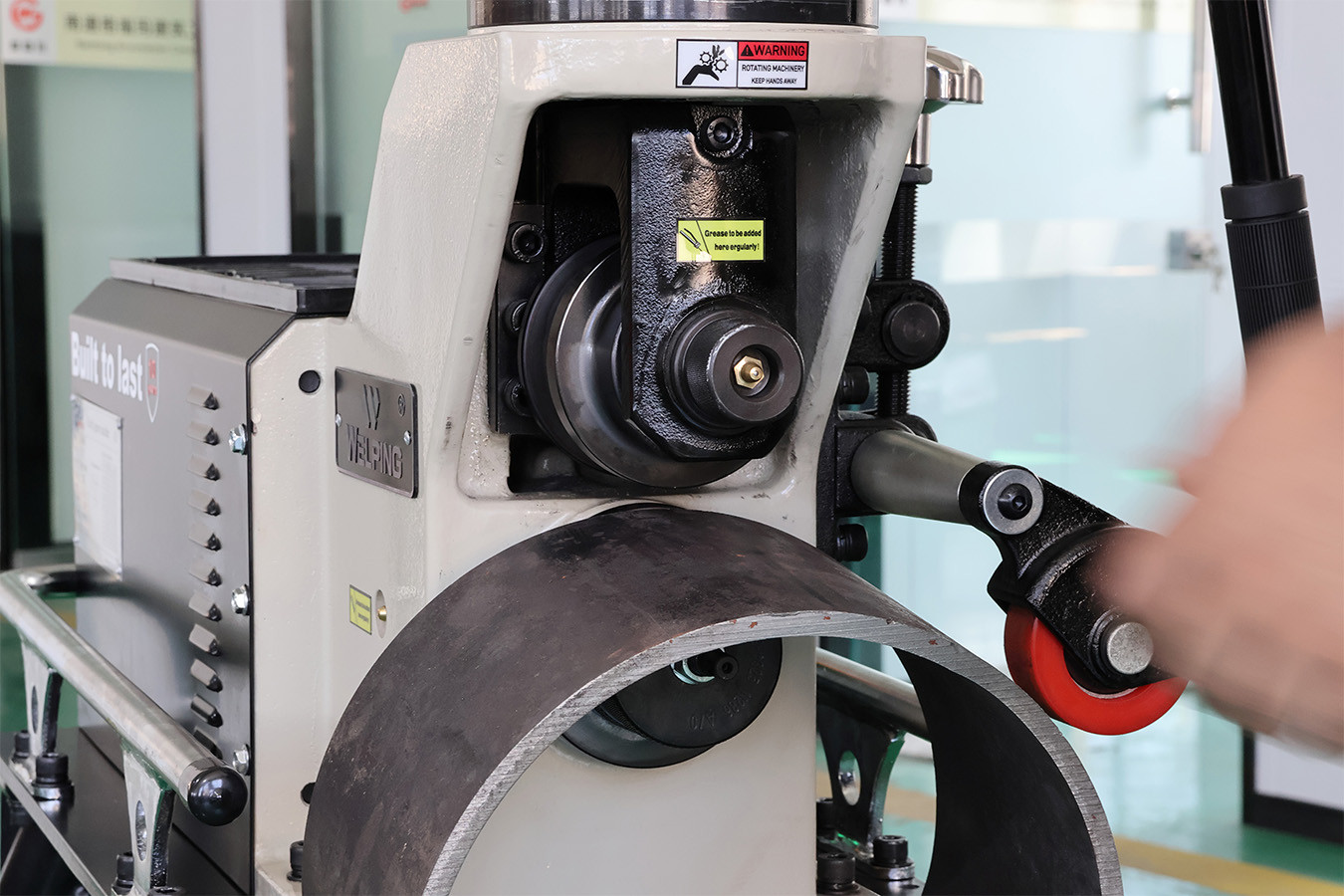
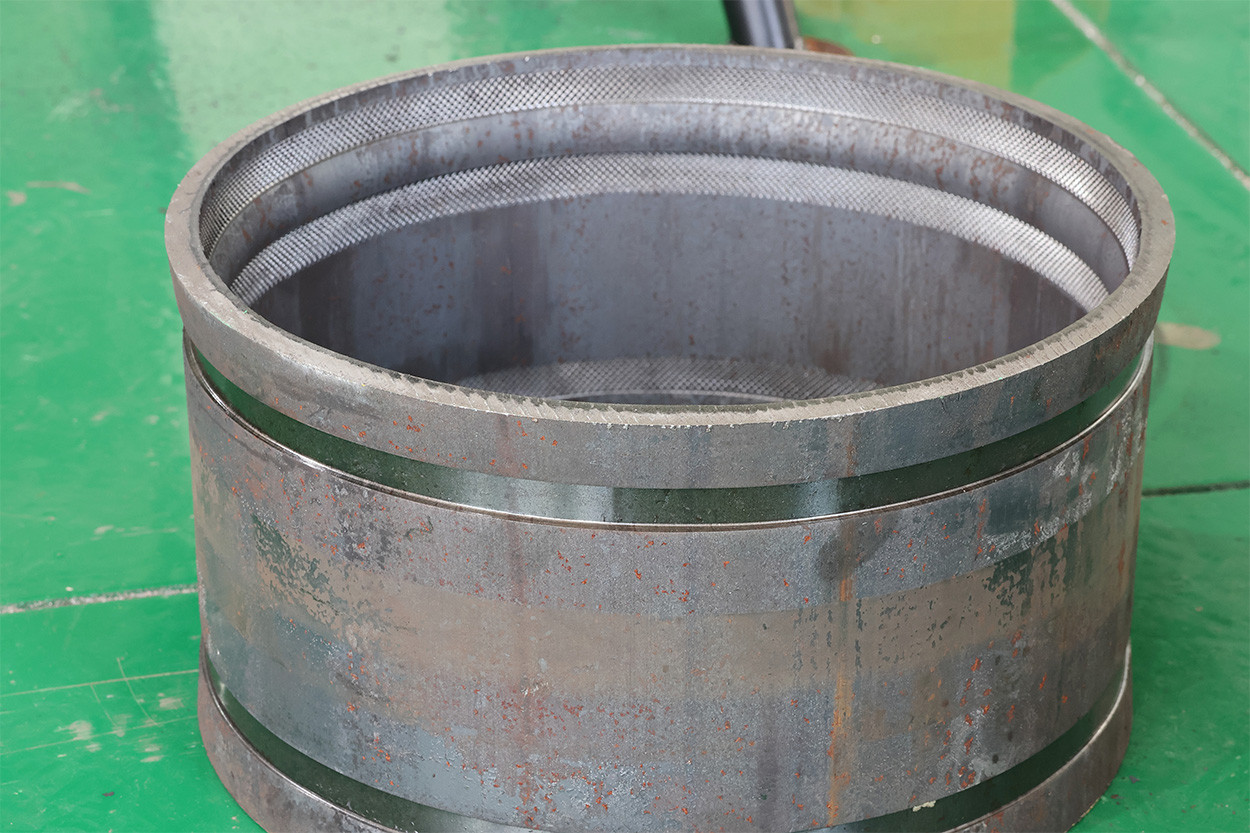
During the grooving process, the drive roller rotates the pipe, while the groove roller gradually presses into the pipe wall to form the groove.
These two rollers do not work separately. Their alignment and contact stability directly affect how the pipe rotates and how the groove is formed. If the roller position is not stable, or if the contact between the roller and pipe changes during operation, the final groove profile may be affected.
For grooved pipe connections, groove position and sealing surface length are especially important. An unstable groove can affect how the gasket and coupling fit after installation.
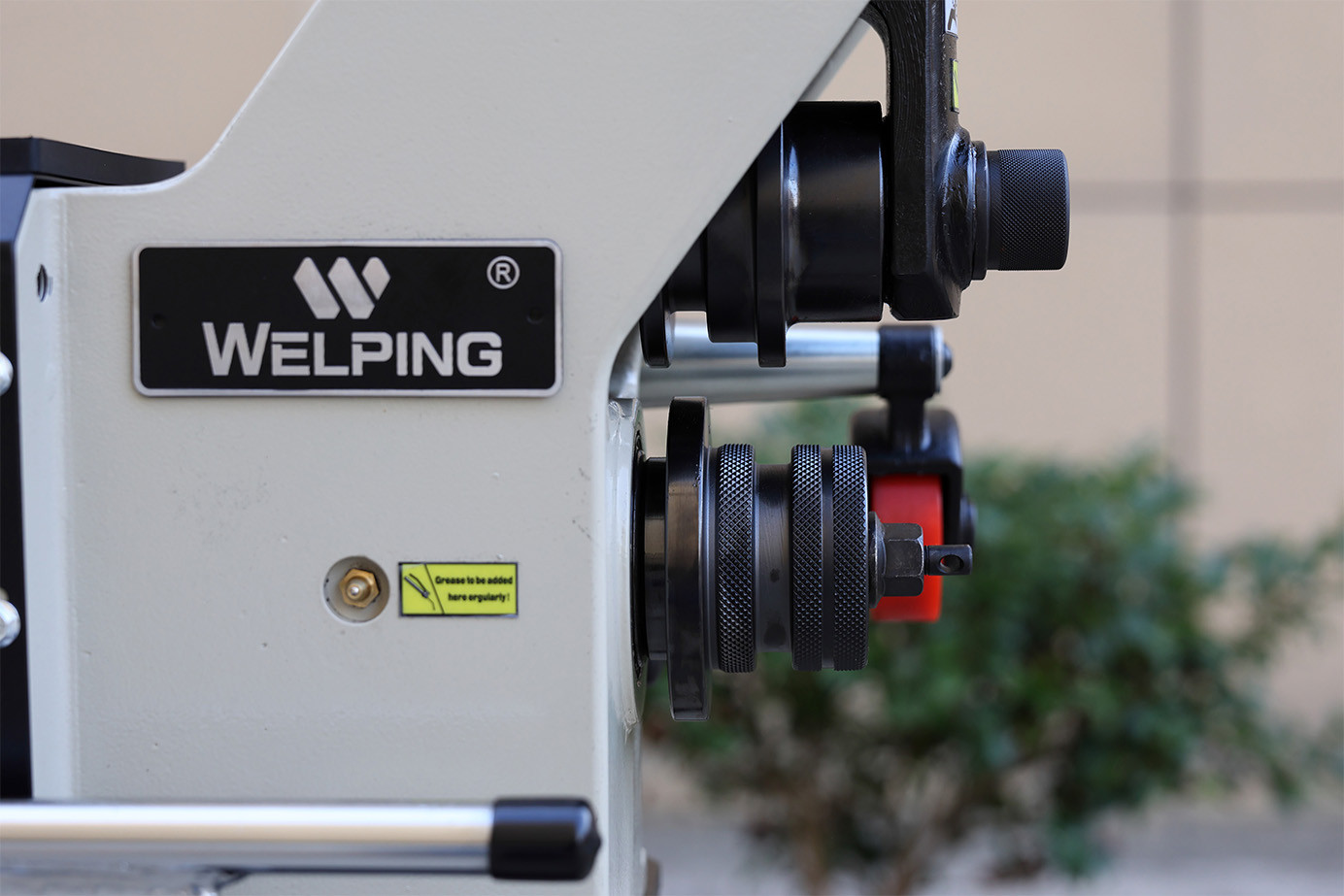
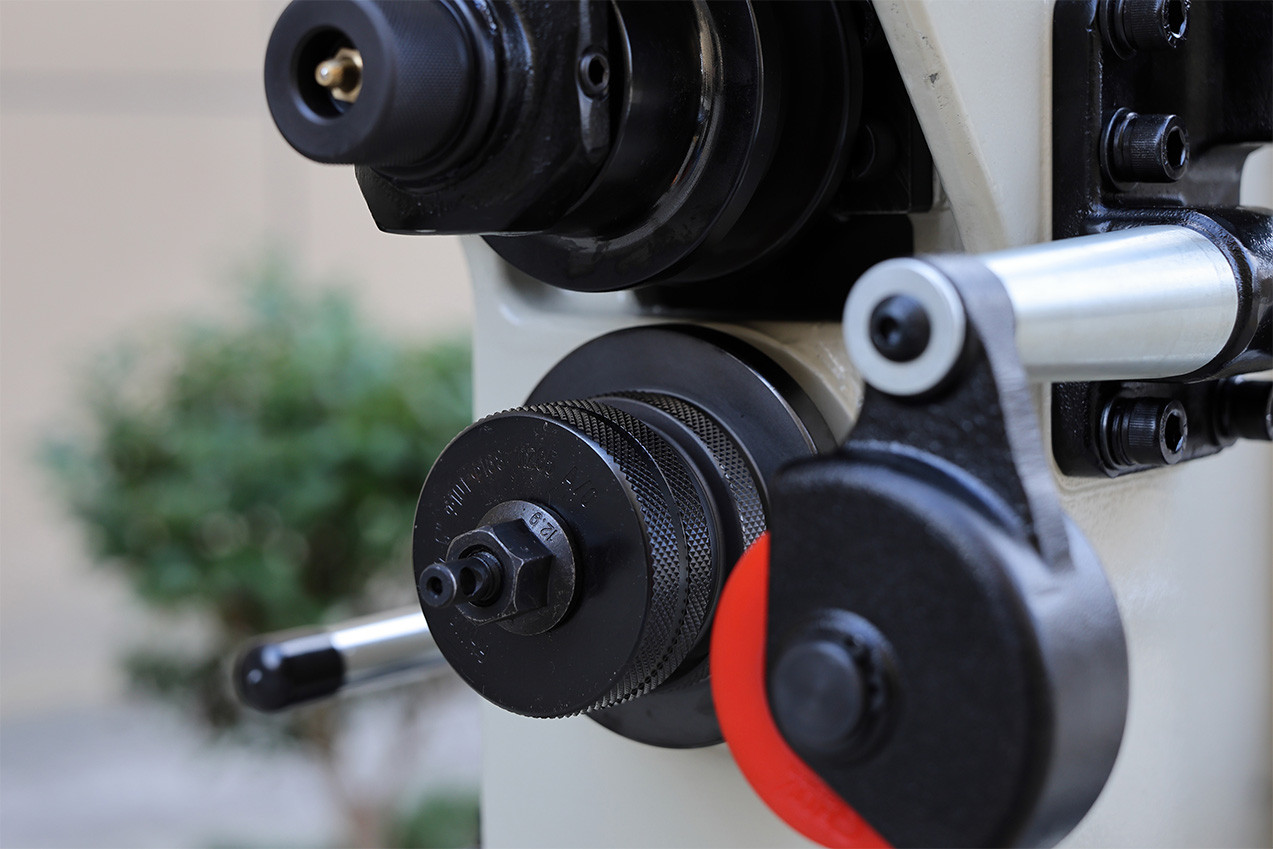
What Is an Interlocking Roll Set?
An interlocking roll set means that the groove roller and drive roller are designed to work together in a more stable way.
During operation, the drive roller supports and rotates the pipe, while the groove roller feeds downward to form the groove. The interlocking structure helps keep the two rollers in a more controlled relationship during grooving, so the pipe remains more stable under pressure and rotation.
The main benefits are:
First, it helps control the pipe sealing surface length.
Second, it reduces position variation during grooving.
Third, it helps maintain a more consistent groove profile.
That is why an interlocking roll set is not just a small component detail. It is a structural design that affects groove quality.
Why Roller Stability Matters
If the upper and lower rollers do not work together steadily, small problems may appear during grooving. The pipe may shift slightly, the roller contact may become uneven, or the pipe may move during rotation.
These problems may not look serious at first, but they can affect groove depth, groove width, and sealing surface length. In batch processing, inconsistent groove results can also create more work during installation and inspection.
| Application | Why Roller Stability Matters |
| Large-diameter pipe grooving | Heavier pipes and stronger rotational force require better roller alignment |
| Thin-wall pipe grooving | Thin pipe walls are easier to deform, so groove control is more important |
| Long pipe processing | Longer pipes are more likely to swing or shift during rotation |
Workshop prefabrication | Repeated processing requires more consistent groove results |
High-sealing applications | Sealing surface length and groove size have a stronger impact on connection quality |
How It Helps Control the Sealing Surface
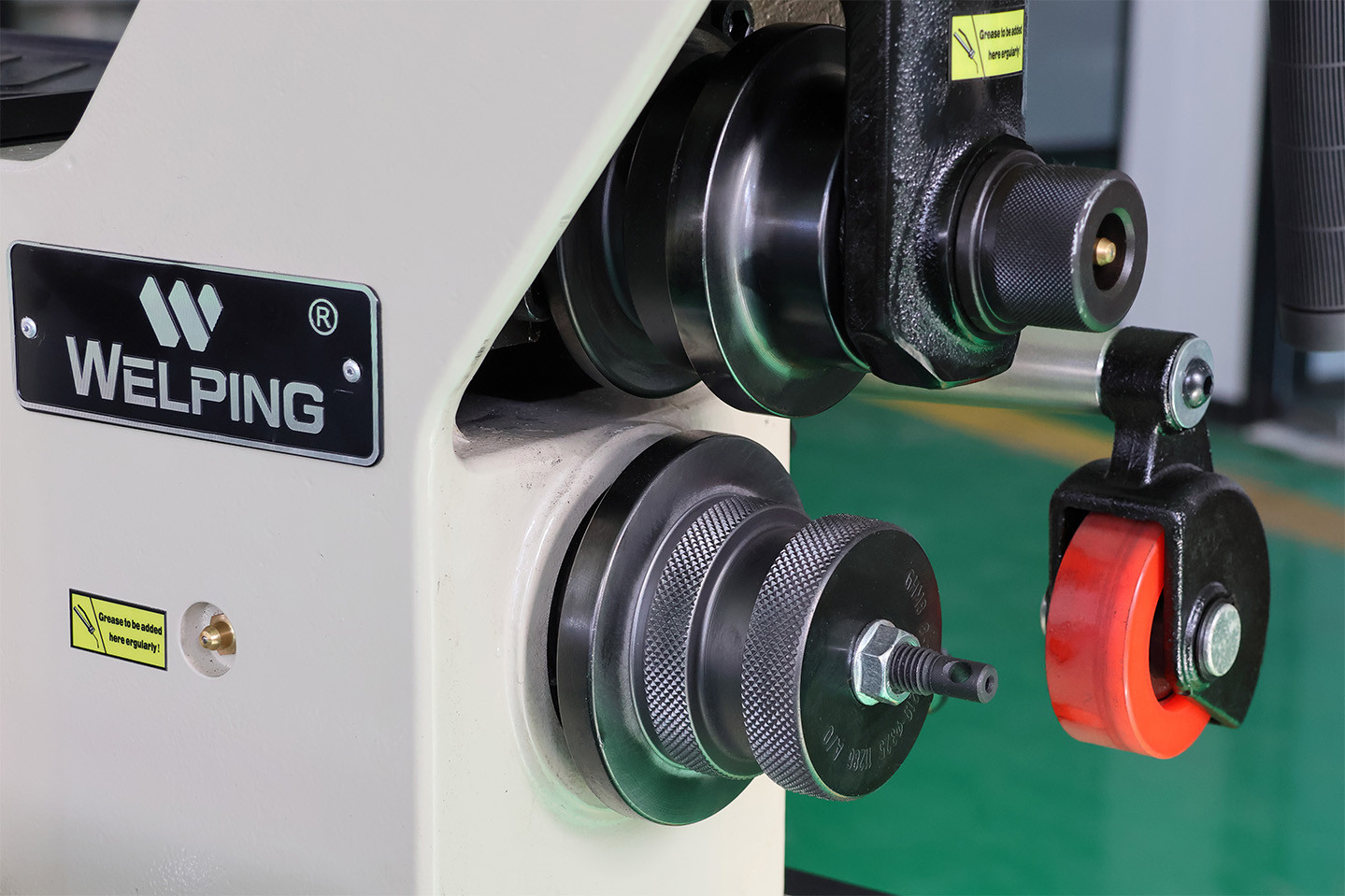
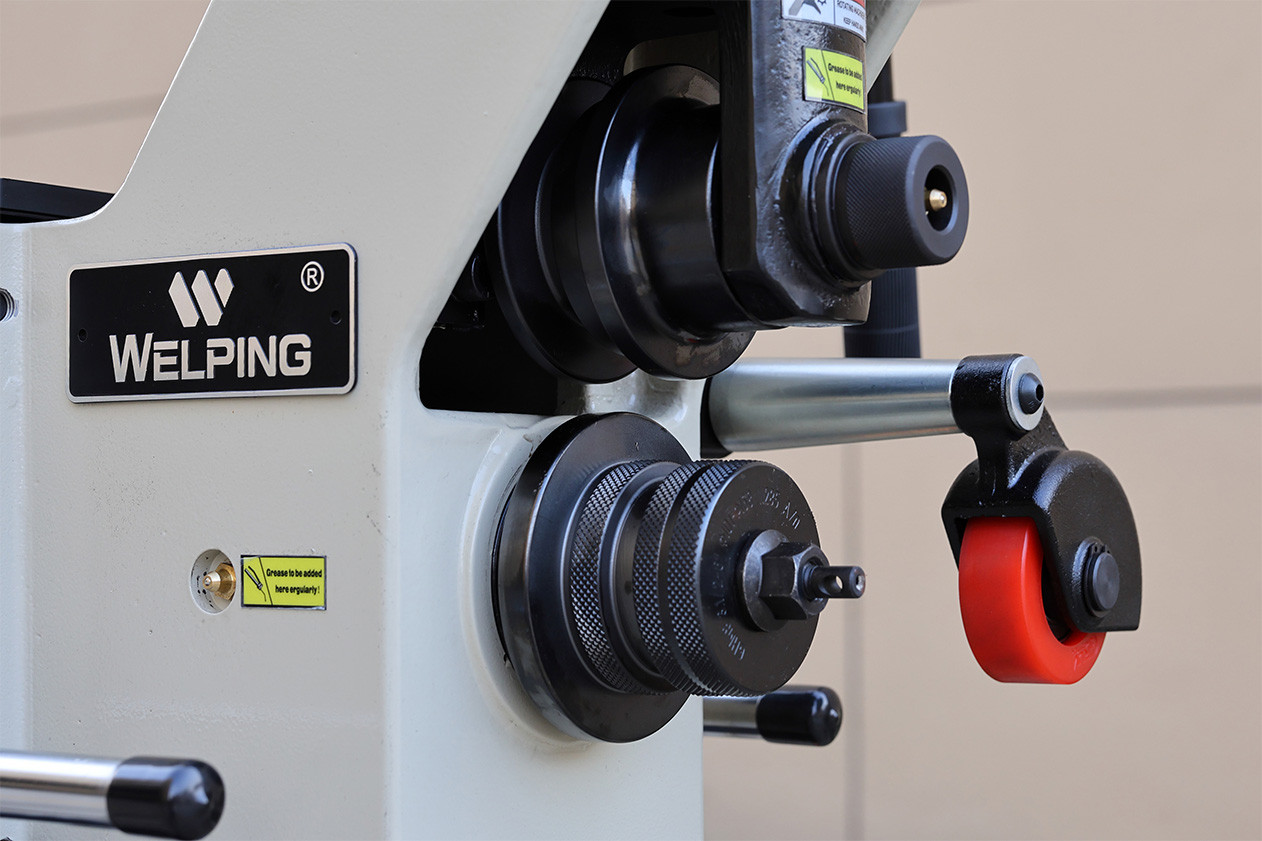
In a grooved pipe connection, the sealing surface length is a critical dimension. The gasket needs to sit properly on the pipe end, and the coupling relies on a stable groove profile to complete the connection.
If the sealing surface length varies too much, the gasket may not work as intended, and the coupling may not fit as smoothly.
The interlocking roll set helps the groove roller and drive roller maintain a stable working relationship during the process. As the pipe rotates and receives pressure, the forming position becomes more controlled. This helps reduce groove position variation and makes the sealing surface easier to keep consistent.
For job site work, this improves reliability. For workshop production, it helps reduce differences between pipes in the same batch.
Value for Different Pipe Sizes
For common pipe sizes such as 1"–8" or 2"–12", an interlocking roll set helps improve daily grooving stability. These sizes are widely used in fire protection, HVAC, municipal piping, and general steel pipe installation.
For larger pipes such as 8"–24" or 8"–32", the value becomes even more obvious. Large-diameter pipes are heavier, have stronger rotational inertia, and require higher forming pressure. A stable roller structure helps the machine maintain groove consistency under heavier working conditions.
For automatic grooving and workshop prefabrication, this design is also useful. Batch production requires repeated results. When the roller structure is more stable, the machine can produce more consistent grooves over repeated operations.
Groove Accuracy Comes from the Whole System
An interlocking roll set is important, but it does not work alone. Stable groove quality usually comes from several parts working together.
| Machine Part | Main Function |
| Groove roller | Presses into the pipe wall to form the groove |
| Drive roller | Rotates the pipe during grooving |
| Interlocking roll set | Helps the rollers work together and control sealing surface length |
Hydraulic system | Provides stable and controlled feeding force |
Pipe stand | Supports the pipe and helps maintain stable rotation |
Pipe stabilizer | Reduces pipe movement and improves grooving stability |
Good groove quality is not created by hydraulic pressure alone, or by motor power alone. It comes from the combination of roller structure, hydraulic control, and pipe support.
Interlocking Roll Sets in Gruvmaster Machines
Gruvmaster applies the interlocking structure between the groove roller and drive roller in many hydraulic and automatic roll grooving machines to help control pipe sealing surface length.
For regular pipe sizes, this structure improves stability in daily installation and multi-size pipe processing.
For large-diameter grooving, it helps the machine handle heavier loads while keeping the groove profile more consistent.
For automatic roll grooving, it works together with automatic feeding and stable control to support more consistent batch production.
This is why roll grooving machine selection should not only focus on maximum pipe size or motor power. Roller design is a small detail that can make a real difference in long-term use.
Groove Quality Starts from Detail Design
High-quality grooving is not decided by one single parameter. Motor power, hydraulic pressure, and pipe capacity are all important, but roller structure should not be ignored.
For grooved pipe connections, a stable groove profile, proper sealing surface length, and consistent processing result often come from these structural details. The interlocking roll set is one of them.
Gruvmaster combines interlocking roll set design, stable hydraulic systems, and proper pipe support to provide reliable grooving solutions for different pipe sizes and working conditions.
If you have specific requirements for groove accuracy, sealing surface length, or roller configuration, share your pipe size, wall thickness, and application with Gruvmaster. Our team will help you choose a suitable roll grooving machine and roller solution.